The European Union has postponed a crucial EU tobacco tax vote until November. This delay follows strong resistance from Sweden concerning proposed levies on nicotine pouches. The original plan was to vote on October 9, shortly after the Swedish national election.
Brussels pushed the decision to allow Sweden more time to form a new government. After Sunday’s election, a new finance minister must be appointed. Such a delay provides space for further negotiations to resolve the current deadlock.
Stockholm strongly opposes raising taxes on nicotine pouches. Sweden has a long cultural tradition of using snus, a similar tobacco product. Therefore, the proposal directly impacts a deeply embedded national custom.
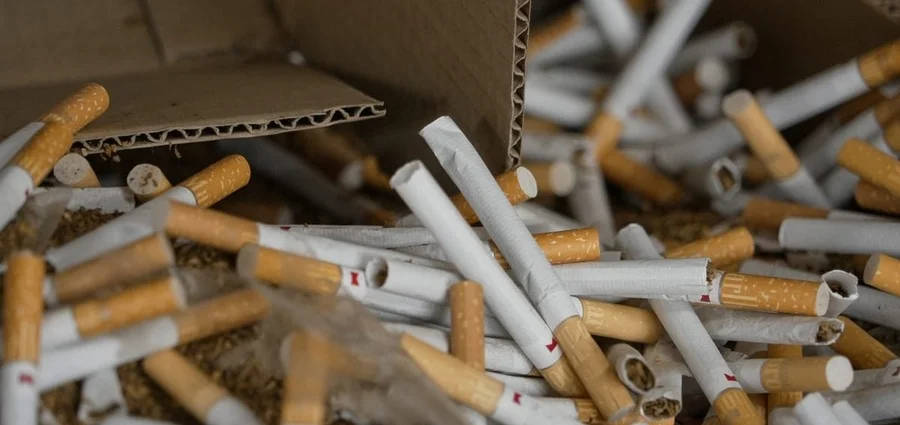
The European Commission initially proposed increasing levies on cigarettes. Furthermore, it aimed to set minimum rates for newer products like vapes, heat-not-burn tobacco, and nicotine pouches. These measures were designed to deter smoking and prevent young people from using addictive nicotine products.
Unanimity is essential for all EU tax files, including the so-called Tobacco Taxation Directive. Without Sweden’s approval, the legislation cannot pass. Diplomatic sources indicate that this postponement aims to give Sweden’s incoming government a chance to reconsider its position.
The proposed tax on nicotine pouches would be substantial for Swedish consumers. The Commission suggested taxing them at 25 percent of the retail price or €71.50 per kilogram. By contrast, Sweden’s national levy currently stands at only €18.36 per kilogram.
Sweden argues that its lower tax rate encourages the use of less harmful alternatives. As a result, it claims, its smoking rate has significantly declined from over 30 percent in 1980 to just 5 percent in 2024. This “Swedish experience” is frequently cited by tobacco and nicotine companies.
However, the Public Health Agency of Sweden challenges this view. It attributes the fall in smoking rates to comprehensive tobacco control policies. These include advertising bans, age limits, and smoking restrictions. The agency asserts there is no scientific evidence linking recent snus and nicotine pouch use to this decline.
Anti-smoking advocates also express concern. Helen Stjerna, secretary-general of A Non Smoking Generation, called the government’s stance a “tragedy.” She highlighted a perceived step backward from decades of strong tobacco control efforts.
The World Health Organization has cautioned countries against Sweden’s permissive approach. It views nicotine pouches as an industry tactic to create new nicotine addicts. Meanwhile, other EU nations, such as France, have banned nicotine pouches for public health reasons, sparking diplomatic tension.
EU officials will meet on September 14 to discuss the latest compromise proposal. This vital discussion will occur the day after the Swedish election. The future of the EU tobacco tax remains uncertain without a consensus.